

Thank you for your continued support of Emma Japan.
The report (dated January 28, 2026) on our joint research with Assistant Professor Aya Yokoe, Department of Architecture, College of Engineering, Chubu University, titled “Research on Aging Care for a Vibrant Life in the Era of 100-Year Lifespans,” has been completed. Below is an overview of the methods and results of two studies: a drinking study using the Emma Bottle, and a sleep study using tiles containing Emma materials.
1. Drinking Study Using the Emma Bottle
Method
- ・Participants: 10 healthy women in their 20s
- ・Period: About one month, from the first measurement (late December) to the second measurement (early January)
- ・At home: Participants drank at least one Emma Bottle a day and also exercised for about 30 minutes a day
- ・Measurements: Metabolic rate, skin temperature, core temperature, blood flow, urine tests, and a thermal sensation questionnaire, taken in the environmental laboratory at Chubu University before the study and after about one month
Main Results
- ・The average metabolic rate was 1,164 kcal before the study and 1,274 kcal after about one month. The report concludes that “a slight increase in metabolic rate was confirmed.”
- ・Average skin temperature tended to be about 0.5°C higher after entering the laboratory.
- ・In the thermal sensation questionnaire, some participants began to answer “warm” or “slightly warm” right after exercise.
- ・The average value of an oxidative stress marker measured in urine (urinary 8-OHdG) increased after the study. All values were within the reference range.
- ・Blood flow tended to be lower after the study.
Scope of This Study
- ・No comparison group (for example, drinking tap water) was included.
- ・Because participants also exercised every day during the study, the changes cannot be attributed to the Emma Bottle. The report also notes that exercise can raise oxidative stress markers.
- ・This was a small study of only 10 healthy women in their 20s.
2. Sleep Study Using Tiles Containing Emma Materials
Method
- ・Participants: 10 men and women aged 27 to 61 (7 men, 3 women)
- ・Method: Participants slept for about one week without the tiles and about one week with the tiles, and brain waves were measured with a sleep monitor
- ・Analysis: To account for adjustment, the analysis focused mainly on data from days 6 to 7 of each period. A questionnaire was also taken on waking
Main Results
- ・Total deep sleep time (the deepest stage of non-REM sleep) averaged about 50 minutes without the tiles and about 75 minutes with the tiles, a statistically significant difference (p=0.04).
- ・The time taken to fall asleep (sleep latency) was not shorter with the tiles.
- ・In the wake-up questionnaire, participants tended to rate “ease of falling asleep,” “refreshed feeling,” and “depth of sleep” more positively during the period with the tiles.
Scope of This Study
- ・This was a small study of 10 participants, and individual differences were large.
- ・Participants knew whether or not the tiles were being used.
- ・The effects of season and room temperature could not be fully excluded. The report suggests the tiles may be easier to feel when outdoor temperatures are low.
Neither study demonstrates the prevention or treatment of any disease or any specific health benefit.
Next Steps
Emma Japan will continue its joint research with Chubu University and will consider studies with more participants and with comparison groups. We will share the results here once they are available.
About the Emma Bottle
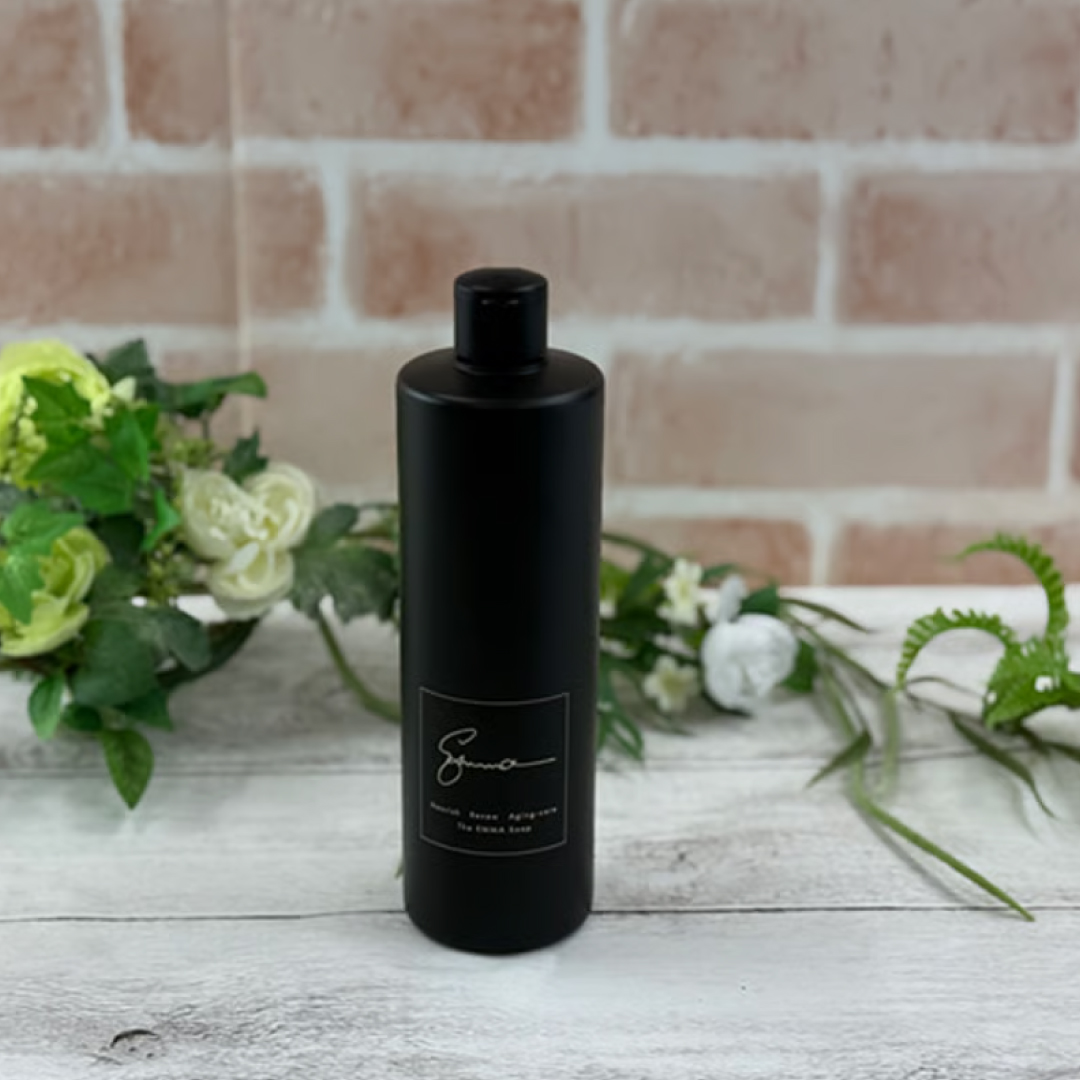
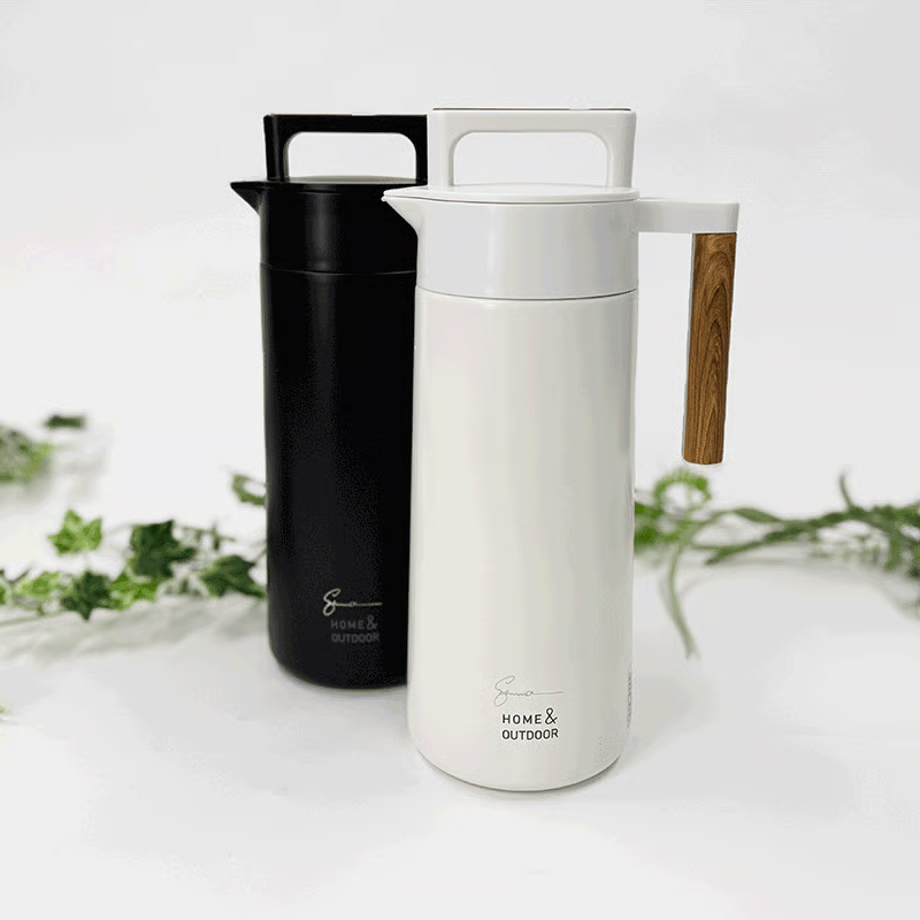
A stainless steel functional bottle made in Yoro, Gifu, Japan. Just fill it with your favorite drink—no electricity or cartridges required. Its double-wall vacuum insulation keeps drinks hot for up to 12 hours. Capacity 480 ml, available in four colors: silver, black, white, and pink.
Thank you for your continued support of Emma Japan.